 Funding Frontline Impact
Support resilience
How can I support organisations to be sustainable and resilient? There are many ways funders can add value beyond a grant. This section offers ways to support deeper, longer-term impact.
Organisational strengthening and technical assistance
The key to effective frontline partnerships is understanding that grantees often have organisational development needs, and that’s okay. In fact, it’s not just frontline organisations with room to grow – it’s all organisations.
Particularly with newer or smaller groups, these needs can feel riskier, but they are normal and inevitable. You can add tremendous value as a donor by offering expertise, connections, tools, trainings or additional funding.
Our approach
Capacity building is a significant area of investment for the Freedom Fund, as we believe it is one of our core value-adds. Our clustered, hotspot model enables us to deliver this effectively at scale by often bringing together multiple partners at once. As part of ourOrganisational Capacity Strengthening Process (OCSP), partners identify areas of strength and plans for growth, and we provide flexible funding for partners to carry out their plans.
Beyondfunding for organisational strengthening, other supports we offer partners are informed by their needs, and often include:
- Direct support from in-country teams throughout the grantmaking process, including proposal development, monitoring and evaluation and reporting.
- Training and technical assistance on topics like program strategy, safeguarding and financial management.
- Support for global-level engagement and advocacy, including occasional training, funding for convenings, and travel grants (so we can collectively influence who gets a platform at international events).
- Other opportunities for community building and learning, such as through exposure trips and peer mentoring.

Putting things into practice
Daniel shares about safeguarding training for partners in Ethiopia. Roisai reflects on helping Thai partners to strengthen their fundraising capacity. Ginny explains how a new toolkit enhanced work with child trafficking survivors in India.
Fostering collaboration and movements
Frontline organisations are called ‘frontline’ for a reason — they are closest to the issue you care about and on the forefront of movements for change. Acknowledging this is an important mindset to bring into your philanthropy. Your support isn’t just for your grantee partners; it has ripple effects between and beyond them.
The main takeaway for funders of all kinds is that supporting the infrastructure needed for effective collaboration and movement-building is worth it. This includes both formal and informal spaces for connection, sharing and solidarity. It could be as simple as letting your grantees know you encourage their participation in spaces like these, providing extra budget, or using your convening power to bring people together.
Our approach
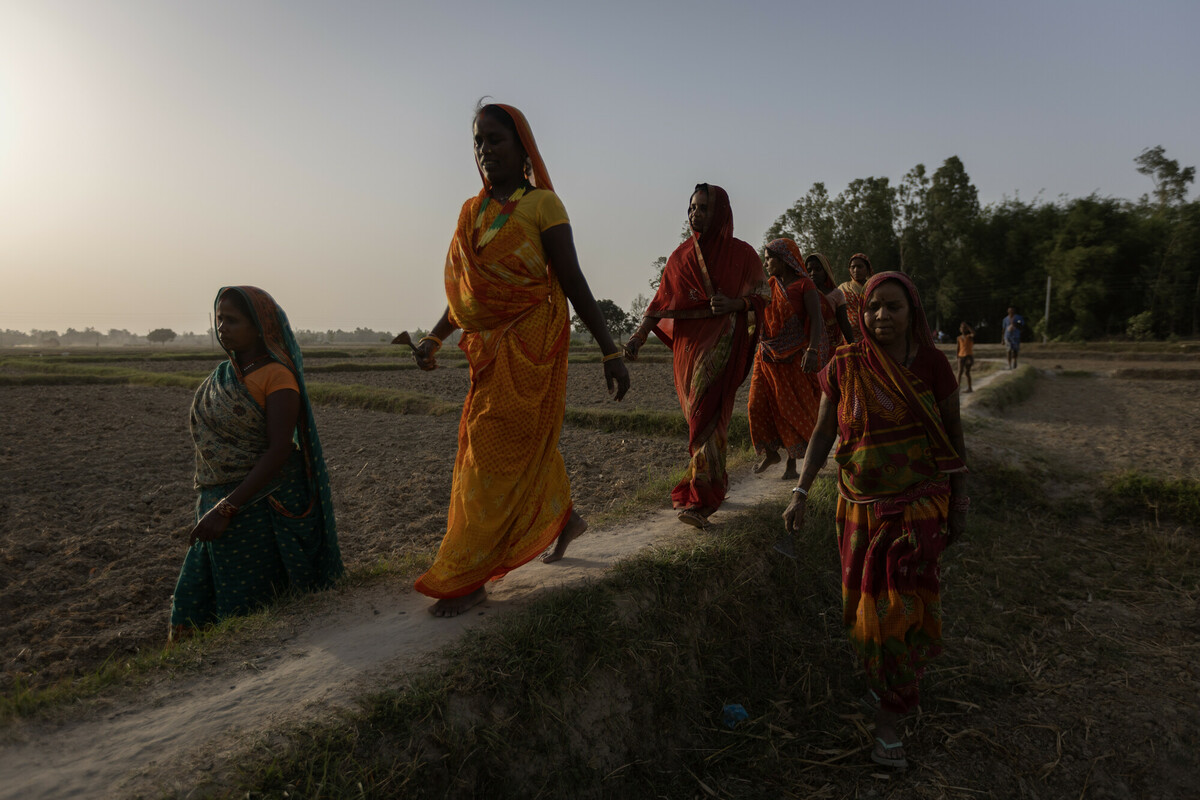
At the Freedom Fund, strengthening movements is a priority area for investment. We recognise the critical leadership that civil society, particularly organisations and initiatives led by people with lived experience, plays in addressing modern slavery. We therefore incorporate support for collaboration and leadership within our grants and non-financial support to partners, while also creating dedicated funding mechanisms and programs with an explicit movement-building focus.
These efforts include:
Communities of practice
In each hotspot, we facilitate a community of practice. Our in-country teams convene partners at least quarterly to build community, strategise and share learnings. Partners frequently tell us how much they value the opportunity to develop relationships and exchange information.
Support for coalitions
NGO-led coalitions and networks can be powerful platforms for advocacy and coordination. At times we provide grants to help organisations start, formalise or grow coalitions around shared goals.
Convenings
We also host or fund convenings that bring together wider groups of stakeholders (not just our grantees, sometimes including donors) to share learnings and strategies on a specific issue, like child domestic work or safer migration. We prioritise funding for convenings hosted and designed by frontline organisations in the Global South and leaders with lived experience.
Fostering leadership
When needed, we offer support to leaders of partner organisations through a combination of in-person and online sessions on transformative leadership. Rather than focusing only on individual skills, these programs aim to shift mindsets, strengthen relationships and foster sustainable leadership cultures. Topics can include vision, purpose and values-based leadership; understanding power; conflict management, negotiation and resilience; relationships and feedback; and unconscious bias.Where possible, support is led by a local expert. Our staffsupport the provider and ensure that the trainingsare consistent with Freedom Fund values and partner needs.
Welcoming peer learning and mentorship
We encourage partners to map their existing skills and resources and consider where they might mutually exchange mentorship and support. We have facilitated learning visits between partners in different geographies, and partners have offered to train one another on topics like accounting. (We are mindful of the distinction between paid technical assistance and offers of unpaid sharing or mentorship. If the need is substantial or the desired expertise does not already exist among partners, we cover outside technical support.)
Putting things into practice
Ginny shares about the peer-to-peer support fostered through the Human Liberty Network in India. Daniel explains how building a community of practice among NGOs in Ethiopia has reduced competition and strengthened collaboration.
Supporting systems change
Like most thorny issues, we know that when it comes to ending modern slavery, change doesn’t happen through one type of intervention. Complex problems call for complex solutions.
Supporting systems change doesn’t just mean funding organisations thinking beyond the direct impact of their work. It means thinking differently about your understanding of ‘impact’, when you expect to see it, and how you go about measuring it. It means accepting that deep, sustainable change takes time, investment and persistence, and adjusting timelines and other elements of the grantmaking process accordingly.
If you’re a funder who cares about systems change and working with frontline organisations to achieve it, then we strongly recommend you adjust your expectations and grantmaking practices to account for both the messy, unpredictable nature and the enormous potential of systems change.
Our approach
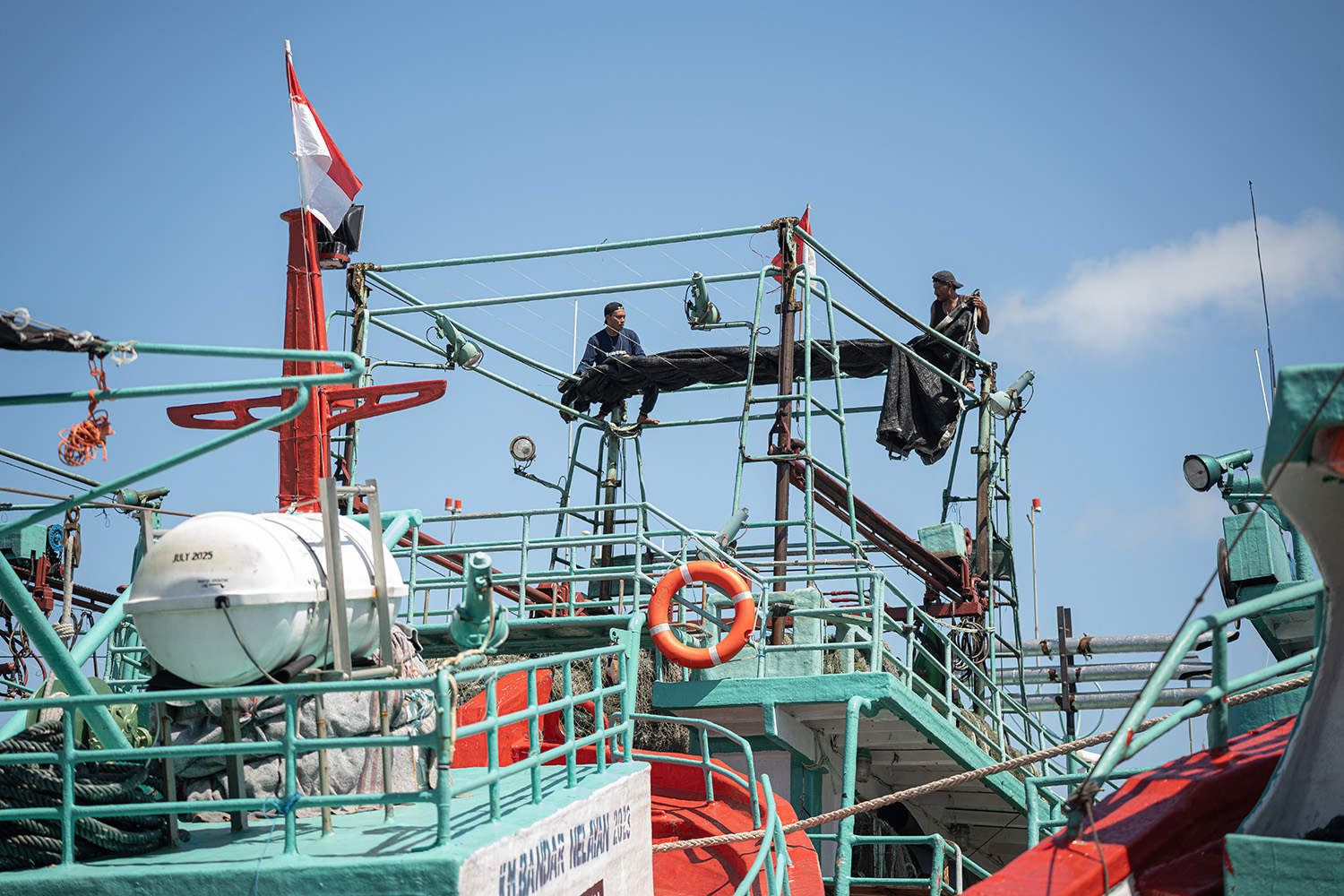
The Freedom Fund directs most of our funding toward dismantling systems that underpin social issues, tackling root causes rather than symptoms.
We make long-term investments in frontline organisations aiming to shift deeply rooted, entrenched systems of exploitation. We know that while we may not see the fruits of those efforts in the short-term, they have the potential to affect far more transformative and sustainable change in the long-term. This way we know that when the funding ends, the large-scale change continues.
We’ve also experimented with new ways of quantifying impact to account for people affected indirectly by systems change efforts.
Putting things into practice
Roisai shares how partners in Thailand pushed back against a restrictive government policy.

As a funder, when you are willing to truly listen to community needs - and take the time to observe what’s happening across a system - your program can impact millions of lives.
- Hannah, Freedom Fund Senior Program Manager

Related resources

OCAT Guide & Tools
A tool to help frontline organisations identify areas for growth

Survivor Leadership Fund Application Process Materials
Application and due diligence materials for small unrestricted grants

Survivor Leadership Fund Brochure
An overview of our fund for survivor-led organisations