 Funding Frontline Impact
Find and fund
How do I find and fund frontline organisations? From defining your grantmaking vision to awarding funding, this section is all about establishing partnerships.
Clarifying your vision
Before diving in, it’s important to hone in on your vision for grantmaking so you can be as thoughtful and strategic as possible.
Spend some time reflecting on:
- Your identity. What kind of grantmaker do you hope to be? What three adjectives would you like others to associate with your philanthropy?
- Your vision for change. What kind of world do you hope to create through your philanthropy?
- The stakes. What is at stake? What would happen without your philanthropy?
- Short-term vs. long-term. Are you hoping to achieve short-term wins with your philanthropy and/or long-term change? What is most important for you and for the world?
- Depth vs. breadth. Are you hoping to have in-depth impact on a smaller scale and/or wider impact on a larger scale? What trade-offs are you willing to make?
Our approach
At the Freedom Fund, our vision is a world without modern slavery. Through our funding, we seek to reduce exploitation and enable civil society to be more effective at addressing this issue. We take a long-term systems change approach and understand this often means we can’t just chase short-term, tangible ‘wins’ in our work. Truly shifting the systems that underpin modern slavery requires persistence, creativity, trust and well-resourced partnerships.
Designing your strategy
Once you’ve clarified your vision, it’s time to get practical.
The most important thing to remember is that the best strategies are developed collaboratively with those who are closest to the issue. Their perspectives and lived experiences are irreplaceable.
Our approach
Before launching a new grantmaking program, we undertake a scoping study and strategy process, which we conduct in close collaboration with frontline organisations and local advisors. This ensures our approaches are relevant and informed by community needs.
Our strategy process includes:
- Desk research
- A scoping study
- An inception year, during which wefacilitateco-creation of program strategy with local partners
- A final strategy document
- Sustainability and exit planning

During a scoping study, we consult with potential partners and other local experts to assess:
Incidence
Is there a high incidence of the problem within the identified geography or sector?
Operational feasibility
Is it practically possible to operate a program, including sending funds and hiring local advisors, but also from a security and government reception standpoint?
Grassroots presence
Are there existing locally-based organisations who we could support?
Sufficient donor/external interest
Is there significant interest in the geography or problem by donors or other external interest (e.g. news, new research) that could assist in mobilising support to address the problem?
Opportunity for impact
Is there a clear opportunity for the Freedom Fund to have an impact? Who else is already working on this issue and what is our potential to add value? Is this the right time to address this problem?
Building on existing presence/team
Do we have existing experience or a team already in the country, so we can continue to make use of expertise, systems and relationships to undertake this new work?
Partner assessment
Putting things into practice
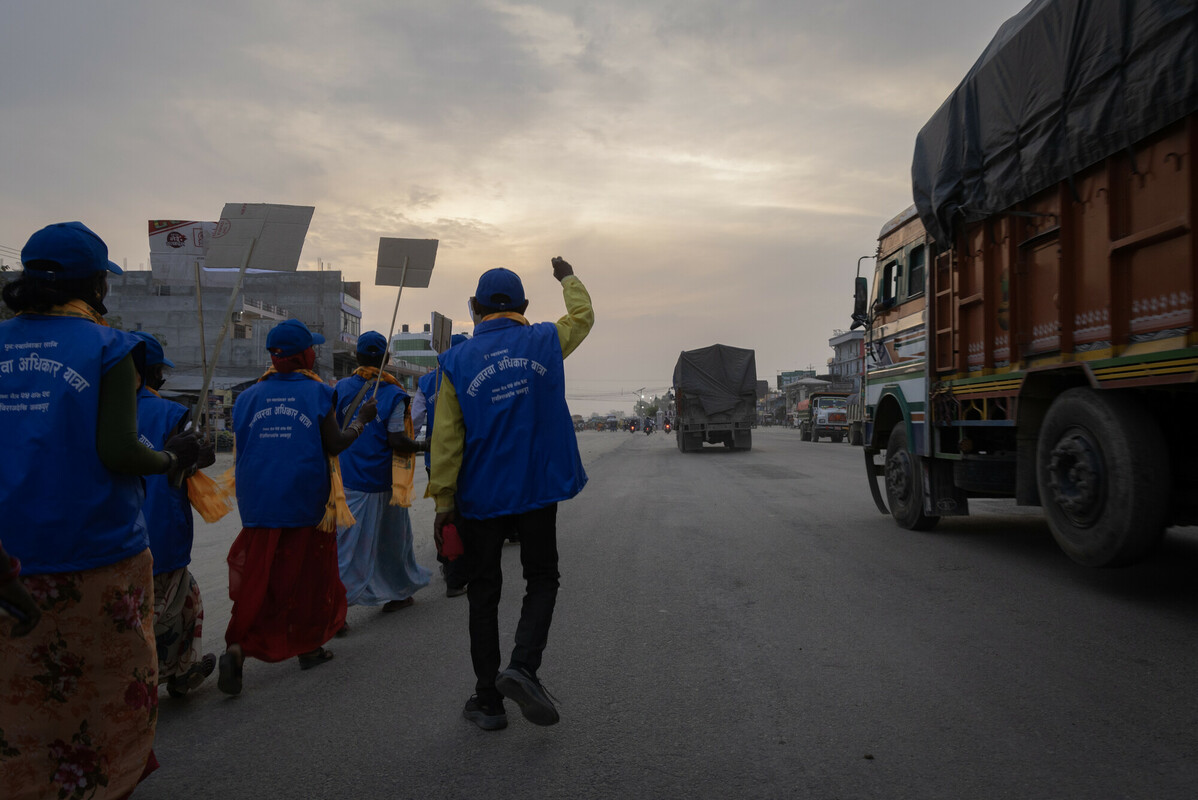
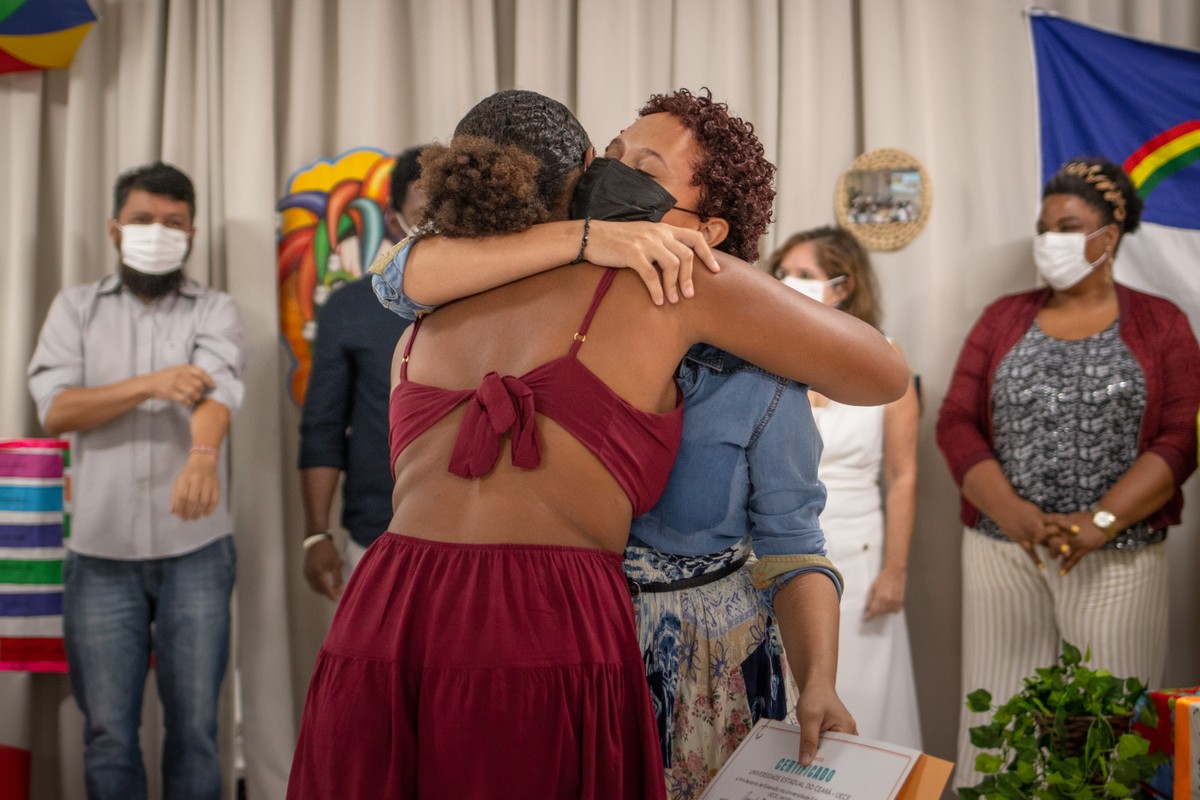
Ginny explains how a participatory process helped partners in India to identify root causes of exploitation. Débora shares about involving Brazilian communities in the development of a new program strategy.
Identifying organisations
Once you have your overarching strategy, you’ll need to find frontline organisations to support.
Often these pieces happen concurrently, as ideally you’ll want some potential partners to be involved in a co-creation process during the strategy development phase and you’ll want to use that time to build trust and rapport.
Depending on your location and history as a funder, this can be straightforward or complex – but the most important thing to remember is that, in most cases, you should try to expand beyond your immediate networks and be proactive in your efforts. Building partnerships with trusted experts, other funders, and vetted intermediaries is a great way to do this.
Our approach
At the Freedom Fund, identifying organisations to support is part of our scoping process.
We employ locally-based staff to:
- Proactively seek out local organisations, particularly those led by women, people from marginalised communities and individuals with lived experience. We speak to other practitioners, funders and trusted experts, and we work closely with our in-country teams to source organisations within their networks.
- Create a long-list of potential partners to begin building relationships. `
- Facilitate genuineco-creation of program strategy with local stakeholders, through conversations, convenings and other forms of consultation.
- Pare this down to a short-list of potential partners based on criteria specific to the program. This process naturally involves relationship-building and exploratory conversations. We may provide small inception grants.
Putting things into practice
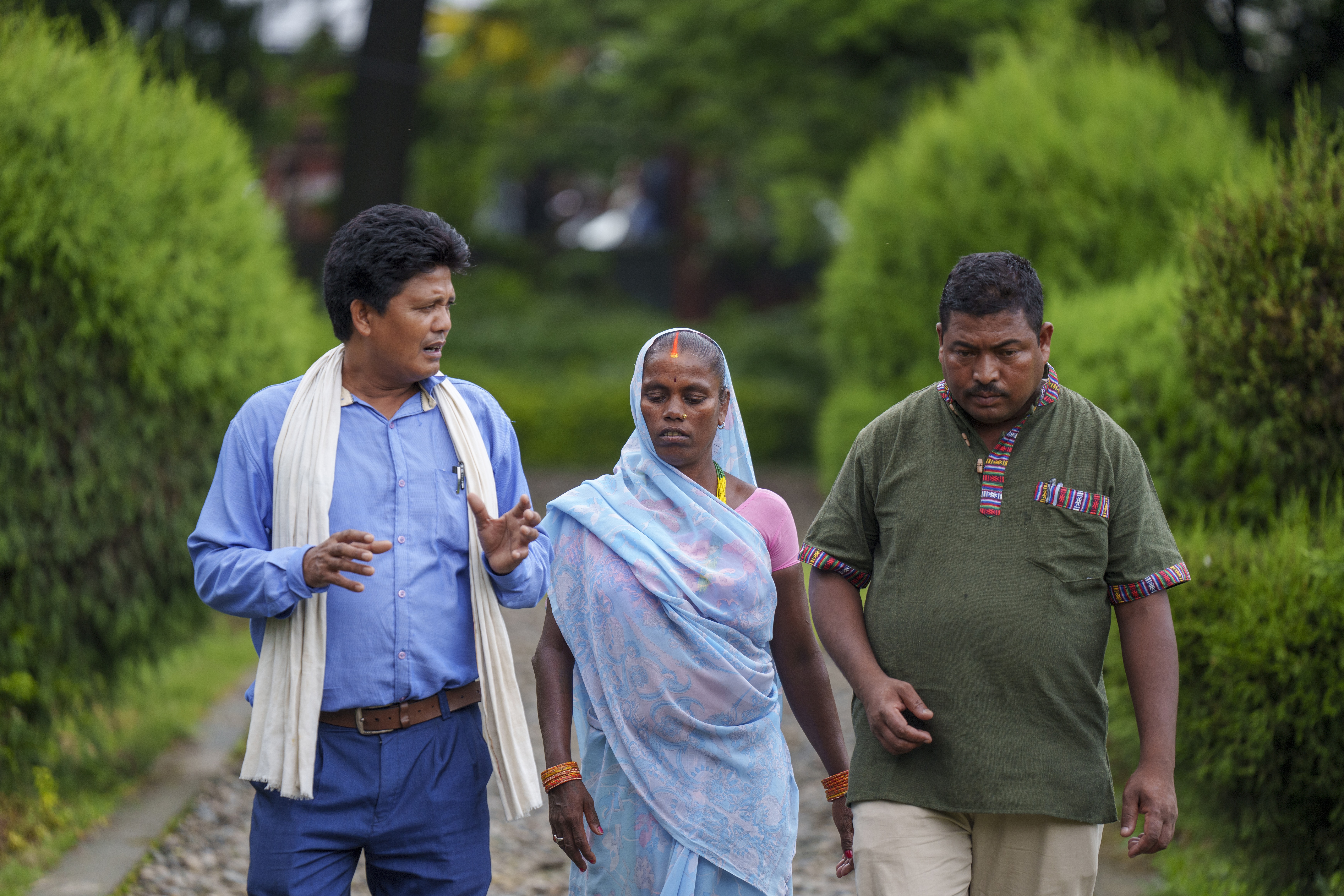
Ruth shares how the Freedom Fund identified and built relationships with potential grantee partners in Kenya.
Application and decision-making
Once you’ve identified a frontline organisation you might want to support, you’ll likely want to go through a formal application or proposal process. This isn’t always necessary, but a general rule of thumb is that the process should be proportionate to the partnership. Small, one-off grants don’t warrant a long application, whereas you may want to conduct more thorough due diligence on significant grants, especially if you envision a long-term partnership.
It’s important that decision-making involves people closest to whatever thematic or geographic area you are addressing. It’s smart, equitable, effective – and the right thing to do. If it’s not possible to have staff on the ground, consider forming an advisory group of locally-based experts, working with a trusted intermediary, or temporarily bringing on a local consultant.
Our approach
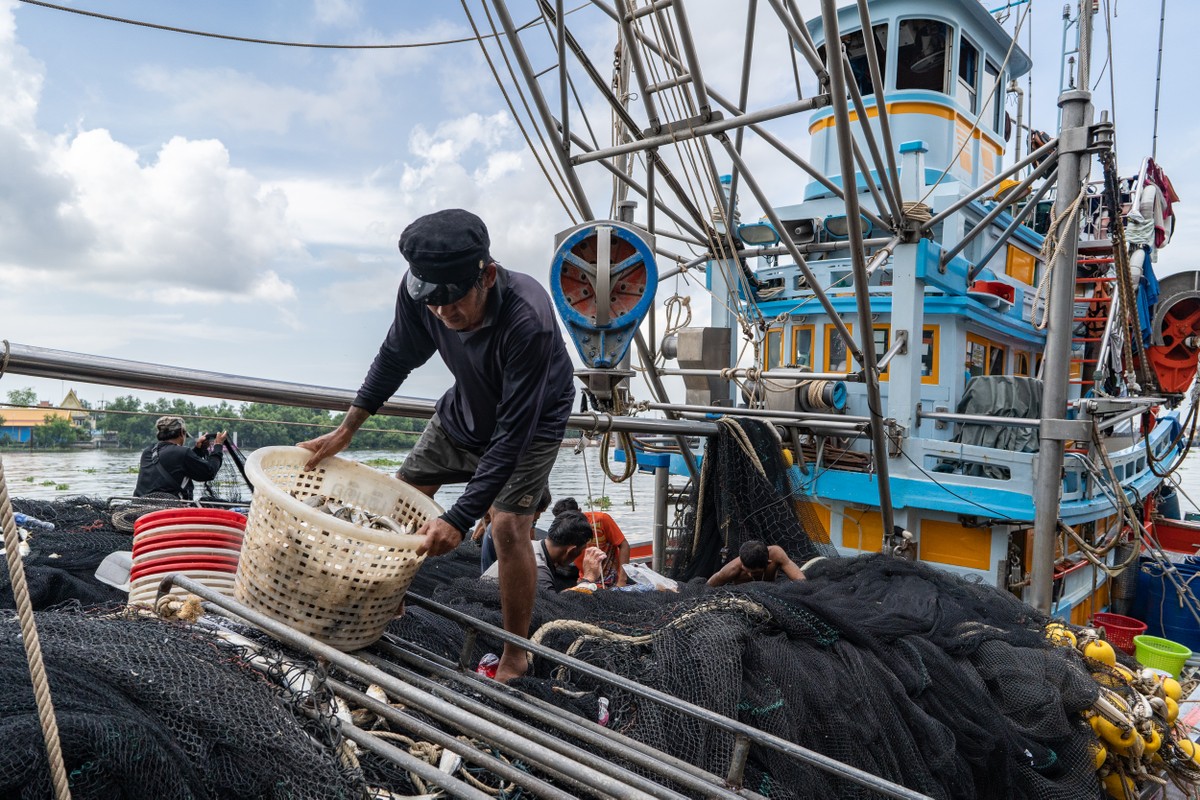
At the Freedom Fund, the application and decision-making process is managed by our in-country oflocally-based experts who know the context inside and out. In most cases, they have already begun to develop relationships with potential partners through the strategy co-creation process, making this a natural next step.
After we’veidentified potential partners, an official application process begins.
During this process, we:
Share the goals of the program with our short-list
Ideally, the short-listed partners have already co-created these goals with us during the strategy setting phase.
Conduct in-person site visits where needed
Face-to-face meetings help to deepen our understanding of the organisations and their work.
Request a proposal and discuss this in detail with potential partners
In an effort to respect organisations’ time and energy, we rarely conduct open calls for proposals, and we only request proposals from groups we are very serious about funding. Depending on partners’ needs and preferences, we sometimes provide support in drafting the proposal. Partners can write in their preferred language and we pay for translation when needed.
We also convene groups of organisations we are considering funding, so they can coordinate their proposed interventions and find areas of alignment and potential collaboration.
Conduct due diligence
Our due diligence process aims to ensure that organisations have systems and minimum standards in place that protect their participants, community members and staff from harm and ensure funds are spent and monitored appropriately. Where critical gaps are identified but we believe the organisation is willing and able to fill these gaps, we incorporate a time-bound due diligence plan into the grant agreement, and have an open discussion around what additional resources or support might be needed to meet minimum standards.
Make decisions
When making funding decisions and notifying partners, we strive to be as clear as possible about expectations, requirements and timelines. This is a critical part of building mutual trust.
Structuring and awarding grants
How you give your grants can be just as important as how much you give. As a funder, you should get clear on your values and then ensure the way you structure your funding aligns with them.
Our approach
At the Freedom Fund, our grantmaking values include trust, flexibility and stability. We understand that grantees are the ultimate experts on where to direct their resources, that there are always going to be unexpected challenges they will need to pivot around, and that ‘overhead’ costs are essential to impact.
As a collaborative fund, we’re also accountable to our own donors, and need to ensure those relationships remain strong for the sustainability of our partners. We have a responsibility to steward our donors’ resources in a way that aligns with both their requirements and our values, and to absorb any major differences so our grantees don’t have to.
In order to align with our funding values, we design our grants to be:
Structured according to purpose and relationship
While we aim to be as flexible as possible, most of our grants, at least in the early stages, are restricted to specific programs. This enables the Freedom Fund to invest in newer or less established partners (as we provide closer oversight and ringfence a proportion of the grants for organisational development) and ensures that funds are spent within the Freedom Fund’s issue area (modern slavery). We currently provide unrestricted grants to survivor-led groups and partners we’ve funded for many years.
Speedy and flexible
Most of our grantee partners are working on small budgets without reserves and rely on grants to keep staff employed. If donor funds for intended work are delayed due to finance systems, what may seem like a minor administrative delay can become a crisis. We prioritise getting funds to partners quickly.
Within restricted grants, our partners decide how funds should be budgeted to achieve the project’s intended impact – whether that takes the form of staff salaries, rent, supplies, training or travel. We understand that all of these costs are important to programmatic success! We also provide grantees with regular opportunities to revisit their budgets and reallocate as needed.
Long-term commitments
An individual grant contract is typically 1-3 years, but most renew to become longer-term partnerships of 7-10 years.
This allows our partners the freedom to plan for the future and focus on impact, rather than worrying where they’ll get next year’s funding – and it also ensures we’re only making commitments we can keep, in line with our own resource mobilisation.
Proportional to turnover
To ensure our partners have diversified income, we generally try not to provide more than 30% of an organisation’s overall funding.
Putting things into practice
Antonia shares about the Survivor Leadership Fund.

The application process can be an opportunity to build relationships. It’s important to adjust that process to fit partners’ needs, rather than expecting them to adapt to us.
- Pauline, Freedom Fund Head of Programs, Asia
Related resources

Organisation information form template
A form to collect basic information about partners

Due diligence guide & templates
A guide to our three-tiered due diligence process and accompanying templates